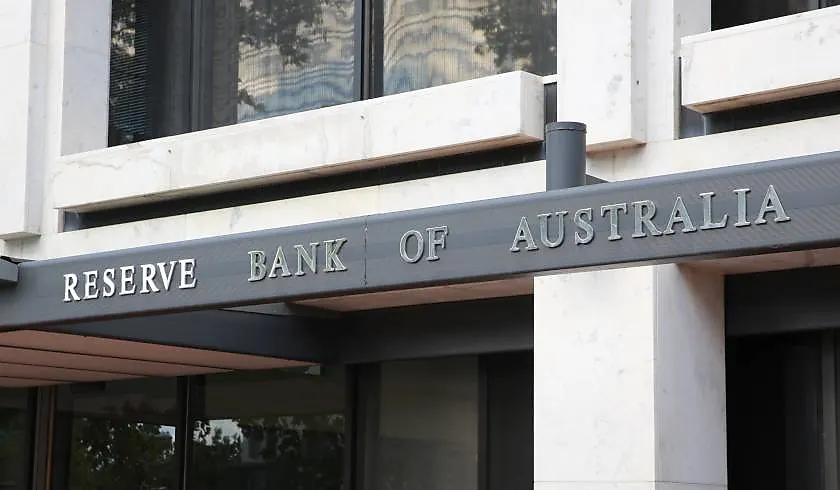
If the current rate environment feels like déjà vu, that’s because it largely is. After three cuts through 2025 that briefly rekindled buyer confidence, the RBA has raised rates twice already in 2026, and the big four banks are unanimous in forecasting at least one more rise in May. The cash rate, now sitting at 4.10%, may well be heading higher still.
For buyers and sellers in Melbourne’s inner-city market, this environment demands clear thinking over reactive decision-making. Here’s what you need to know.
Why Are Interest Rates Rising Again in 2026?
The short answer: Inflation didn’t stay tamed. Australia’s headline inflation rate hit 4.09% in the first quarter of 2026, its highest level in more than two years, with the March monthly reading climbing to 4.6%, driven primarily by higher costs for housing, transport and food.
The RBA has been direct about its position. In a press conference following the March rate decision , Governor Michele Bullock stated: “Inflation was already too high, reflecting the fact that demand is outstripping supply. Higher fuel costs will not slow demand enough on their own to address this.”
The RBA’s March board minutes noted that inflationary pressures had picked up materially in the second half of 2025, and that the Middle East conflict had resulted in sharply higher fuel prices which, if sustained, would add further to inflation. Rising oil prices were flagged as a key near-term inflation driver, lifting short-term expectations even as longer-term ones remained anchored.
There is a broader conversation emerging about whether the RBA’s traditional monetary policy tools are well-suited to inflation being driven by global supply shocks and geopolitical instability rather than purely domestic demand. RBA Deputy Governor Andrew Hauser has publicly described the prospect of stagflation as “a central banker’s nightmare,” and the board has acknowledged the significant uncertainty this creates for policy settings.
What this means practically is that the rate environment is unlikely to improve quickly. ANZ, CBA and NAB all forecast the cash rate will reach 4.35% following the May meeting. Westpac goes further , tipping two additional rises in June and August that would push the cash rate to 4.85%.
What Does This Mean for Melbourne’s Inner-City Property Market?
Melbourne’s property market in 2026 is best understood as two markets operating simultaneously, not one.
Higher-priced properties — particularly in premium suburbs — are facing real pressure as rising rates erode buyer borrowing capacity and confidence. Buyers in upper price brackets tend to be more sensitive to rate movements, and this is showing up in slower sales activity and softer prices at the top end.
But the picture for inner-city apartments, terraces and entry-level properties is meaningfully different. Units and apartments continue to attract strong investor interest, supported by robust rental yields and a city-wide vacancy rate sitting around 1.5%. With new listings running approximately 12% above the five-year average, buyers have more choice — but well-priced properties in tightly-held inner suburbs are still finding buyers.
KPMG’s current Residential Property Outlook forecasts Melbourne house prices to grow approximately 6.8% and units 7.3% across 2026, driven by what KPMG chief economist Dr Brendan Rynne describes as “genuine underlying demand.” That is a more moderate growth profile than cities like Brisbane or Perth, but it is underpinned by structural forces rather than speculative momentum.
The value story is also increasingly compelling for Melbourne. The gap between Melbourne’s median house price and Sydney’s now exceeds $600,000 — a historically wide discount that analysts broadly agree is unlikely to hold over the medium term. For investors and buyers with a five-to-ten year horizon, the structural case for inner Melbourne is as strong as it has been in some time.
What Should Melbourne Sellers Do Right Now?
In a market where buyer borrowing capacity is under genuine pressure, pricing strategy and presentation are doing more of the heavy lifting than they have in years.
Buyers are working with tighter budgets and, in many suburbs, more options. Properties that are accurately priced and marketed to the right audience will find their buyer. Those chasing last year’s number will sit on market and become stale — which in a cautious market compounds the problem.
The inner-city market in particular rewards specificity. A terrace in Fitzroy, an apartment in South Yarra and a townhouse in Richmond each have their own buyer pool, their own demand drivers and their own price dynamics. Generic advice from a generalist agency is unlikely to unlock the full potential of any of them.
If you’d like an honest assessment of where your property sits in the current market, our sales team is happy to provide one without obligation.
What Should Melbourne Buyers Do Right Now?
For buyers who are finance-ready, the current environment contains more opportunity than the headlines suggest.
Reduced competition — as less-prepared buyers pause and wait for rate certainty that may not come quickly — means better negotiating conditions, more considered decision-making and access to properties that would have been fiercely contested 18 months ago. Stock levels running above the five-year average compound this advantage.
The buyers most likely to benefit are those who have done the groundwork: spoken to their broker, understood their current borrowing position, and identified the suburbs and property types that align with their goals. The buyers waiting for the market to become simple may find that values have moved before that clarity arrives.
Frequently Asked Questions
Will Melbourne property prices fall in 2026?
The market is highly segmented. Premium properties face more pressure, while well-priced inner-city apartments and entry-level homes remain in demand. KPMG’s current forecast is for modest overall growth of around 6–7% for Melbourne across 2026, underpinned by population growth and structural undersupply.
What is the current RBA cash rate in Australia?
The cash rate currently sits at 4.10% following the RBA’s March 2026 decision. A further rise to 4.35% is forecast by all four major banks at the May meeting.
How many times has the RBA raised rates in 2026?
Twice — in February and March 2026. This followed three cuts across 2025 that had brought the cash rate down from its previous cycle high before inflationary pressures re-emerged.
Is now a good time to buy inner-city Melbourne property?
For buyers who are finance-ready, reduced competition and improving stock levels are creating opportunities that weren’t available 12 months ago. The long-term structural fundamentals for inner Melbourne — population growth, undersupply, strong rental demand — remain intact. Timing the market perfectly is less important than time in the market with the right property.
How do rising rates affect my borrowing capacity?
Each 0.25 percentage point rise meaningfully impacts monthly repayments and what lenders will approve. If you haven’t spoken to your broker since the February or March decisions, it’s worth revisiting your pre-approval before making offers. Your borrowing capacity may have shifted.
Should I sell my Melbourne property in 2026?
The answer depends on your property type, suburb, price point and timeline — not on the rate environment alone. Well-positioned inner-city properties are still transacting at strong prices. The key is realistic pricing and targeted marketing to the buyers most likely to act.
Dingle Partners has been operating in Melbourne’s inner-city property market since 1973. Our team across six inner-city offices — spanning St Kilda Road, Carlton, Richmond, Southbank, Docklands and the CBD — monitors these conditions daily. If you’d like to understand what the current environment means for your property or buying goals, we’d welcome the conversation.
Get in touch with one of our experienced agents from across our office network; or request your obligation free market and property report today.